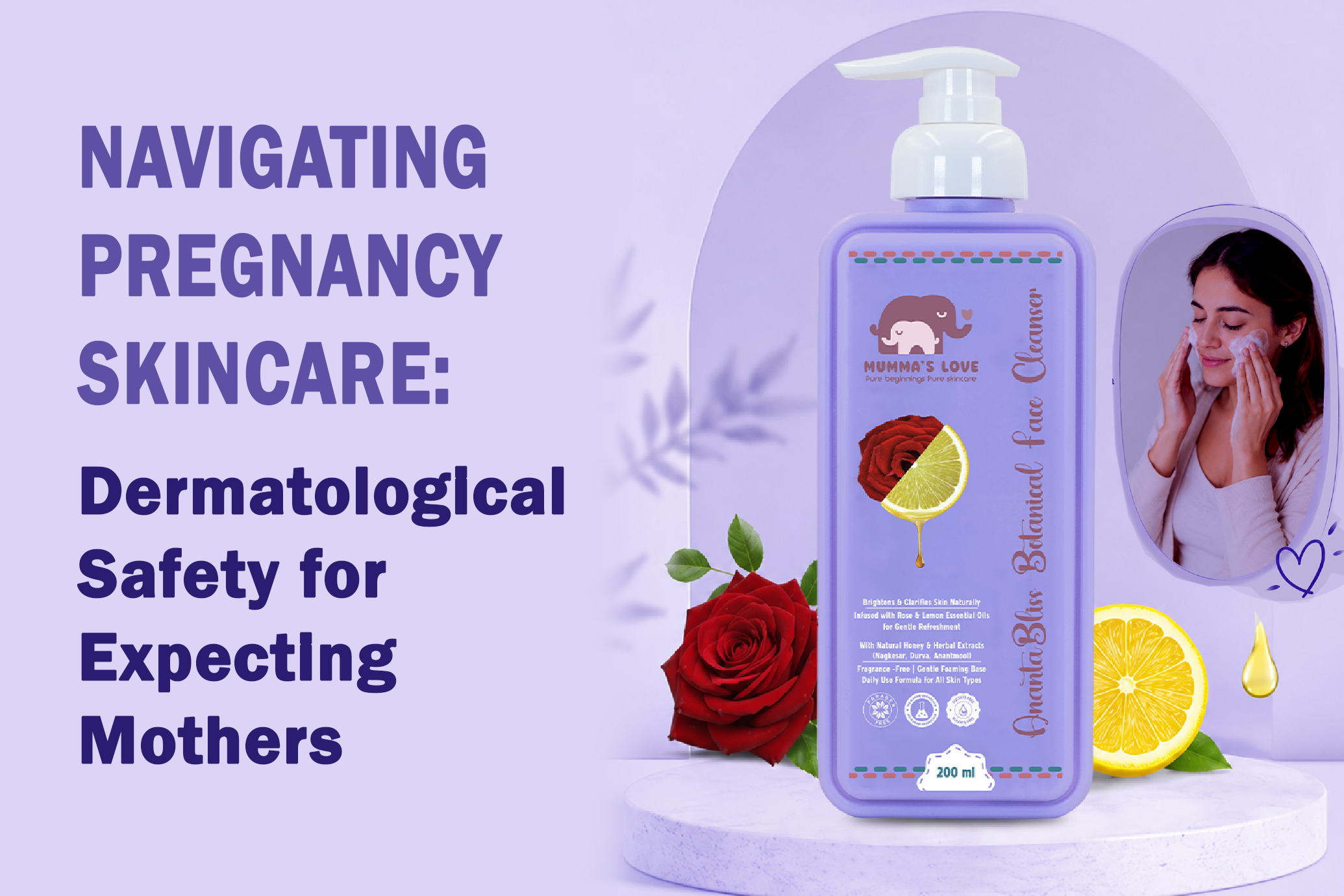
Navigating Pregnancy Skincare: Dermatological Safety for Expecting Mothers
The Physiology of Maternal Skin Alterations
Pregnancy initiates a profound and complex cascade of endocrine, immunological, and vascular shifts within the female body, all of which manifest directly on the skin. While society often romanticizes the ‘pregnancy glow’ (which is technically just increased blood volume and heightened sebaceous gland activity), the clinical reality is that gestation can trigger or exacerbate a multitude of dermatological conditions. Understanding the biology behind these changes is the first step in constructing a safe, efficacious skincare protocol during these critical nine months.The surge in circulating hormones—specifically estrogen, progesterone, and melanocyte-stimulating hormone (MSH)—radically alters skin behavior. The elevation in MSH frequently leads to hyperpigmentation, most notably melasma (chloasma), often referred to as the ‘mask of pregnancy.’ This presents as symmetrical, hyperpigmented macules on the face. Simultaneously, the increased androgenic activity can induce severe hormonal acne, even in women who have not experienced breakouts since adolescence. Furthermore, the rapid mechanical stretching of the skin over the abdomen and breasts degrades collagen and elastin fibers, resulting in striae gravidarum (stretch marks), accompanied by intense pruritus (itching) due to a highly sensitized, compromised epidermal barrier.Compounding these visible changes is the critical issue of systemic absorption and transplacental transfer. The skin is not an impenetrable shield; it is a semi-permeable membrane. Topical active ingredients applied to the maternal epidermis can cross the stratum corneum, enter the microvasculature of the dermis, and circulate systemically. During pregnancy, the maternal-fetal interface (the placenta) allows for the transfer of many molecules to the developing fetus. Therefore, the toxicological profile of every skincare ingredient must be evaluated not just for maternal safety, but for teratogenic potential (the capacity to cause fetal malformations).This reality requires an immediate and strict audit of a woman’s pre-pregnancy skincare regimen. At Mumma’s Love, our medical board emphasizes that pregnancy skincare is about strategic subtraction as much as it is about therapeutic addition. We must eliminate all compounds with known or suspected teratogenicity while introducing highly purified, biocompatible actives that safely address the aggressive dermatological shifts of gestation.
The ‘Do Not Use’ List: Ingredients to Eliminate
The most critical exclusion in any pregnancy skincare routine is the entire class of Retinoids (Vitamin A derivatives). This includes prescription formulations like Tretinoin (Retinol-A), Isotretinoin, and Adapalene, as well as over-the-counter variants like Retinol and Retinyl Palmitate. Systemic retinoids are highly teratogenic, causing severe fetal retinoid syndrome (craniofacial, cardiac, and central nervous system defects). While the systemic absorption of topical retinoids is lower than oral administration, the medical consensus is absolute: all topical retinoids are strictly contraindicated during pregnancy and lactation.Another common acne-fighting ingredient to scrutinize is Salicylic Acid (a Beta Hydroxy Acid, or BHA). While high-dose oral salicylic acid (aspirin) is known to cause fetal complications (especially in the third trimester), low-concentration topical salicylic acid (under 2%) is generally considered safe for spot treatments by some bodies. However, many dermatologists recommend avoiding large-surface-area applications (like full-body BHA washes or high-strength chemical peels) to entirely mitigate the risk of systemic salicylism. At Mumma’s Love, we prefer to err on the side of absolute caution, utilizing alternative, definitively safe botanical exfoliants.Hydroquinone, the gold standard for treating hyperpigmentation and melasma, is also highly problematic. Studies show that up to 45% of topical hydroquinone is absorbed systemically into the maternal bloodstream. While extensive human teratogenicity data is lacking, this exceptionally high absorption rate makes it an unacceptable risk. Expecting mothers must immediately cease hydroquinone use.Finally, chemical sunscreens require careful evaluation. Chemical UV filters like Oxybenzone and Avobenzone penetrate the skin and enter the bloodstream; Oxybenzone, in particular, has been detected in amniotic fluid and is a suspected endocrine disruptor. Pregnant women must switch exclusively to physical (mineral) sunscreens utilizing micronized Zinc Oxide or Titanium Dioxide. These inorganic compounds sit purely on the surface of the skin, physically deflecting UV rays without any systemic absorption, providing absolute safety for both mother and fetus.
Building a Safe, Clinical Pregnancy Regimen
Once the hazardous ingredients are removed, how does an expecting mother manage melasma, acne, and barrier disruption? The answer lies in clinically validated, pregnancy-safe alternatives that leverage the power of advanced botanical isolates and biocompatible synthetics.To combat hormonal acne and texture issues without retinoids or BHAs, we turn to Alpha Hydroxy Acids (AHAs), specifically Lactic Acid and Glycolic Acid, as well as Azelaic Acid. Azelaic Acid is a naturally occurring dicarboxylic acid that is exceptionally effective during pregnancy. It is profoundly anti-inflammatory, highly antibacterial (targeting the acne-causing bacteria Cutibacterium acnes), and possesses tyrosinase-inhibiting properties, meaning it simultaneously treats breakouts and reduces the hyperpigmentation of melasma. Because it is naturally found in whole grains and has minimal systemic absorption, it is FDA Pregnancy Category B and heavily recommended by dermatologists.For hydration and stretch mark management, maintaining the structural integrity of the lipid barrier is paramount. Heavy, occlusive mineral oils only sit on the surface. Instead, the focus must be on deep cellular hydration using Hyaluronic Acid, which binds up to 1,000 times its weight in water, and biomimetic Ceramides to rebuild the mortar between skin cells. To address the intense pruritus of stretching skin, highly purified botanical isolates like Centella Asiatica (Gotu Kola) are clinically proven to stimulate collagen synthesis and dramatically improve the tensile strength of the dermis without risk to the fetus.At Mumma’s Love, our maternal line is formulated with the exact same rigor as our infant line. We utilize hyper-purified, standardized ingredients that deliver clinical efficacy while guaranteeing zero transplacental risk. By adhering to the highest standards of dermatological science, we ensure that you can navigate the complex skin changes of pregnancy with total peace of mind and radiant, healthy skin.
Explore our Pregnancy-Safe Skincare Range