Rash Cream Importance: The Clinical Shift from Reactive to Preventive Care
Understanding the Pathophysiology of Diaper Dermatitis
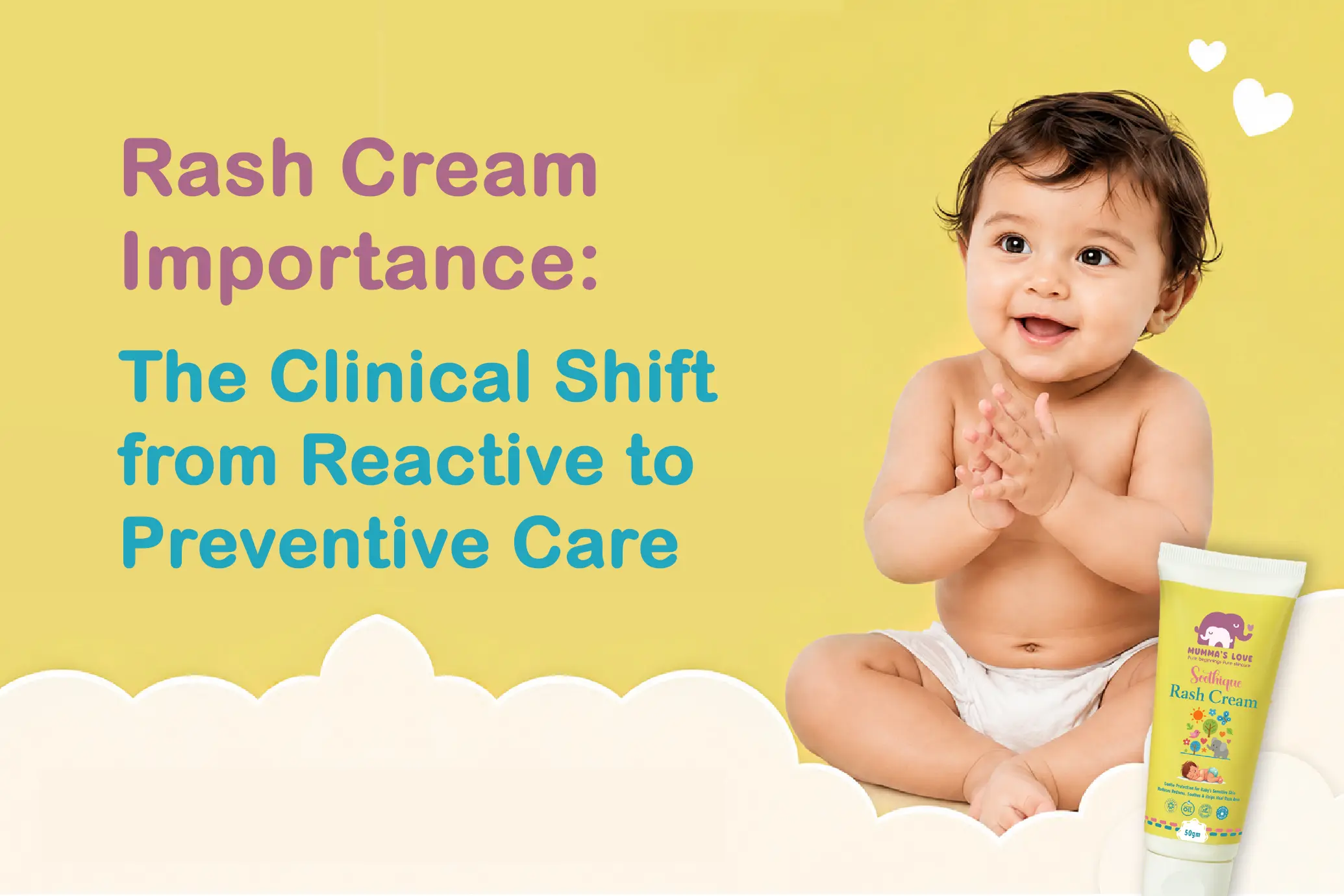
Diaper dermatitis, commonly known as diaper rash, is one of the most frequent dermatological challenges encountered in pediatric medicine, affecting over 50% of infants at some point. However, the prevailing cultural approach to diaper rash is fundamentally flawed. Most parents view rash creams as an acute medical treatment—a specialized ointment to be applied only when the skin is bright red, inflamed, and causing the infant visible distress. In modern pediatric dermatology, we emphasize that by the time you see the rash, the skin barrier has already suffered catastrophic failure. The true importance of a rash cream lies in its prophylactic use: building an impenetrable barrier before the damage occurs.To appreciate the necessity of preventive care, one must understand the hostile microenvironment of a diaper. It is a perfect storm of physical and chemical stressors. First, there is hyperhydration. The occlusive nature of modern disposable diapers traps moisture, causing the infant’s stratum corneum to absorb excess water (maceration). Macerated skin swells, weakening the intracellular lipid bonds, and drastically reducing its physical tensile strength. This weakened skin is then subjected to constant friction from the diaper material as the baby moves.The chemical assault, however, is the primary driver of severe dermatitis. Urine contains urea, which, when mixed with fecal matter, is rapidly broken down by the bacterial enzyme urease into ammonia. Ammonia is highly alkaline, immediately raising the pH of the diaper area from a healthy 5.5 up to 8.0 or higher. This severe alkaline shift is disastrous. It activates fecal proteases and lipases—digestive enzymes meant to break down food in the gut. When active on the skin, these enzymes begin to literally digest the infant’s epidermis, stripping away the lipid barrier and triggering intense inflammation. This is the pathophysiology of diaper rash: a chemical burn compounded by friction.Given this relentless assault, leaving an infant’s skin completely bare within a diaper is a clinical oversight. A high-quality barrier cream must be applied proactively, at every single diaper change, to intercept the chemical enzymes, neutralize the pH shift, and provide a physical slip layer to eliminate friction. At Mumma’s Love, our Soothique Rash Cream is formulated specifically to act as this daily, impenetrable shield.
The Mechanics of a Medical-Grade Barrier
Not all diaper creams are created equal. The efficacy of a rash cream is dictated by its base formulation and its active barrier agents. Petrolatum-based ointments are highly occlusive; they form a dense, waterproof seal over the skin. While excellent for preventing moisture from getting in, they can also trap heat and sweat beneath the surface, potentially leading to miliaria (heat rash) if overused in hot environments. The clinical gold standard for daily prevention and acute treatment is Zinc Oxide.Zinc Oxide (ZnO) is an extraordinary inorganic compound in dermatology. Unlike organic molecules that absorb into the bloodstream, appropriately sized Zinc Oxide particles sit entirely on the surface of the stratum corneum. It functions as a robust physical barrier, deflecting moisture, urine, and liquid feces away from the skin. More importantly, Zinc Oxide possesses unique chemical properties. It is slightly astringent, meaning it helps draw excess moisture out of macerated skin, promoting a firmer, more resilient epidermis.Furthermore, Zinc Oxide has documented antimicrobial properties, inhibiting the proliferation of pathogenic bacteria and yeast (like Candida albicans), which are common secondary invaders in severe diaper dermatitis. It also has a powerful local anti-inflammatory effect, directly downregulating the cytokine cascade responsible for the redness and pain associated with a rash.Our Soothique formulation integrates medical-grade Zinc Oxide into a highly sophisticated, breathable lipid matrix. We utilize biocompatible oils, such as squalane and purified calendula extract, which provide essential fatty acids to support the underlying skin structure without creating an unbreathable plastic-like film. This precise balance allows the skin to ‘breathe’ and repair itself while remaining entirely shielded from the corrosive diaper environment.
The ABCDE Protocol for Diaper Zone Mastery
To truly eliminate diaper dermatitis, parents must integrate our preventive rash cream into a comprehensive, clinical diapering protocol. Pediatric dermatologists universally recommend the ABCDE method to ensure optimal barrier health.
A is for Air. Exposing the diaper area to ambient air is critical for evaporating trapped moisture and allowing macerated skin to dry and harden. Whenever possible, allow the infant 10-15 minutes of diaper-free time per day.
B is for Barrier. This is the crucial step. Apply a thick, opaque layer of Mumma’s Love Soothique Rash Cream at every change. Do not rub it in until it disappears; it is supposed to be visible. Think of it as frosting a cake—you are creating a new, temporary epidermis that will take the brunt of the next chemical assault.
C is for Clean. Aggressive wiping is a major cause of frictional dermatitis. When cleaning an infant, use an ultra-soft cloth with plain water or a highly purified, alcohol-free, fragrance-free water wipe. Gently dab or pat the area clean. Never scrub. If there is leftover barrier cream from the previous change, do not forcefully wipe it off. Leave the base layer intact and simply apply fresh cream over it.
D is for Diaper. Ensure the diaper is highly absorbent and fitted correctly. A diaper that is too tight increases friction and decreases airflow.
E is for Education. Parents must recognize when a simple irritant rash has evolved into a secondary infection. If the rash features bright red, beefy plaques with ‘satellite’ pustules expanding outward, it is likely a Candida (yeast) infection requiring specific medical intervention.By shifting your mindset from reactive treatment to proactive defense with Mumma’s Love, you can effectively eradicate the pain of diaper dermatitis, ensuring your baby’s most vulnerable skin remains flawlessly protected.
Frequently Asked Questions About Baby Rash Cream
Should I use rash cream at every diaper change?
For preventive use, yes — especially if your baby is prone to rashes or has sensitive skin. The Zinc Oxide in a quality rash cream forms a physical barrier that prevents moisture and friction from reaching the skin before irritation starts.
What is the difference between preventive and reactive rash cream use?
Reactive use means applying cream only after a rash appears. Preventive use means applying a thin layer at every diaper change, before redness develops. Clinical evidence consistently shows that preventive use reduces rash frequency and severity.
Can I use diaper rash cream on a newborn?
Yes, provided the formula is designed for neonatal skin. Look for products free of alcohol, parabens, synthetic fragrances, and unnecessary preservatives. Our
Soothique Rash Cream contains Zinc Oxide, Shea Butter, and Aloe Vera — safe from day one.
How quickly does rash cream work?
A good barrier cream should visibly reduce redness within 24–48 hours of consistent use. If the rash does not improve within 72 hours or is severe (blistering, spreading), consult your paediatrician as it may indicate a yeast or bacterial infection.
What percentage of Zinc Oxide is effective for diaper rash?
Formulations with 10–40% Zinc Oxide are clinically effective. Lower concentrations provide mild barrier protection; higher concentrations suit severe or persistent rashes. Check the active ingredient listing on the label.
Looking for a doctor-formulated rash cream safe from birth? Soothique Rash Cream — Zinc Oxide, Shea Butter, Aloe Vera and Vitamin E. Non-sticky, hypoallergenic, daily use. ₹299.